

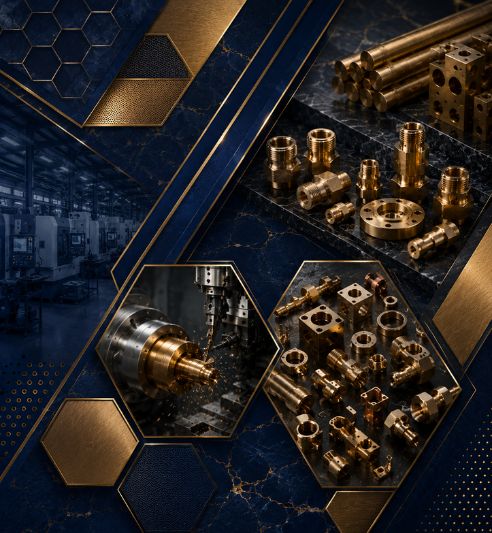
Precision Engineering & Advanced Metal Processing
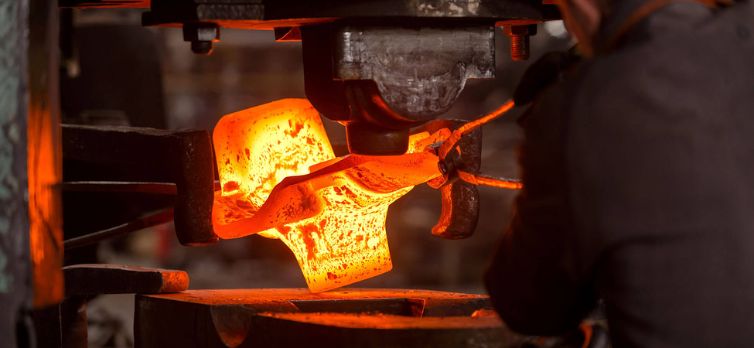
Hot Forging
Hot forging is a precision metal forming process in which heated high-grade brass is shaped under high pressure using specialized
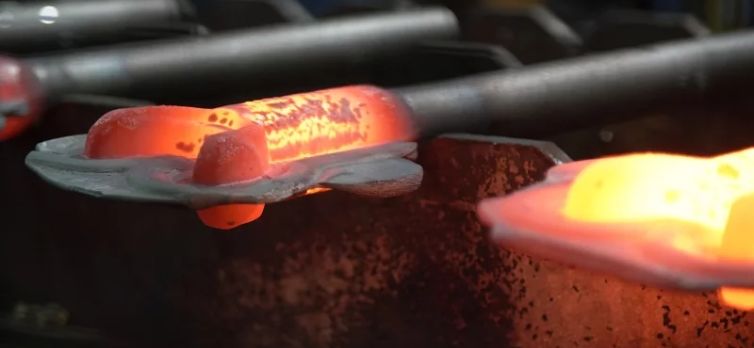
Cold Forging
Cold forging is a precision metal forming process where metal is shaped at room temperature under intense mechanical pressure.
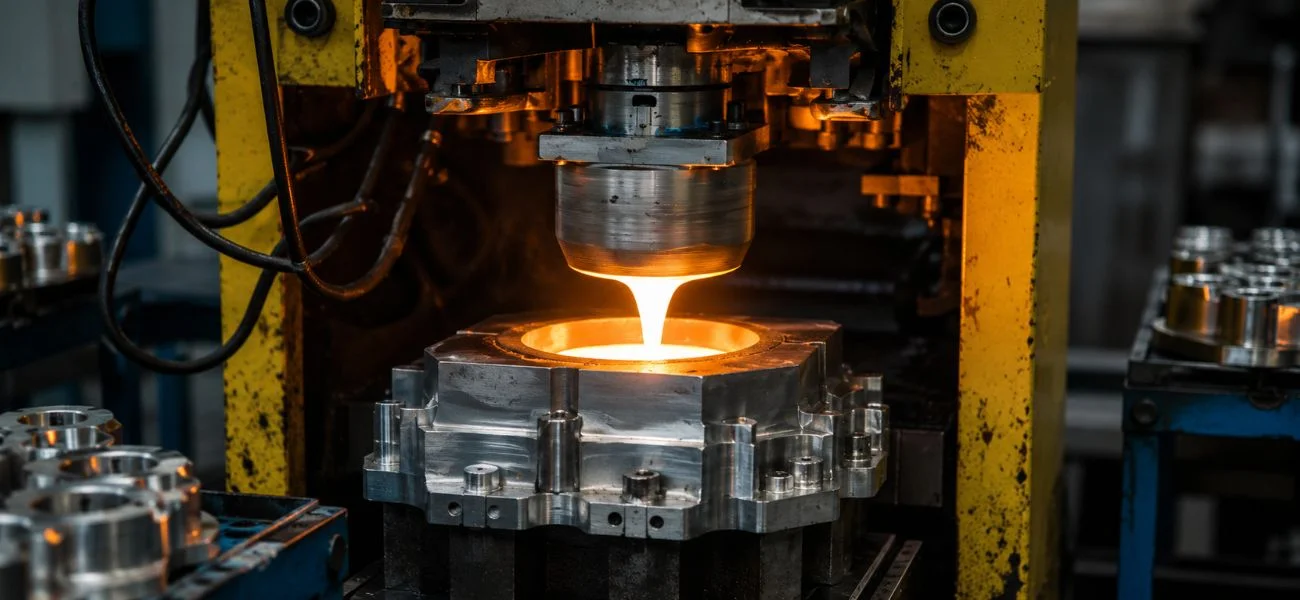
Pressure Die Casting
Pressure die casting involves injecting molten non-ferrous metal under high pressure into engineered reusable steel dies to form
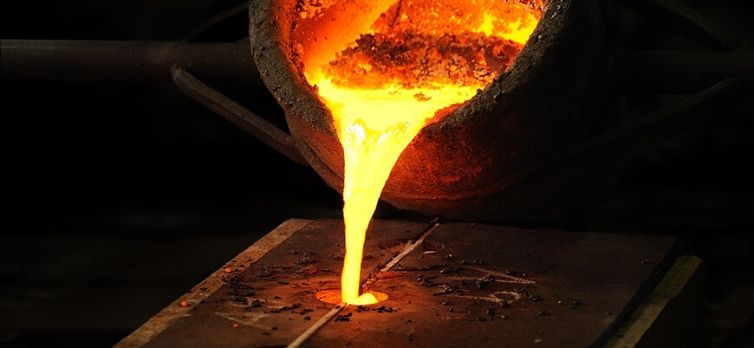
Sand Casting
Sand casting utilizes silica-based sand molds to cast complex shapes from various molten metal alloys with exceptional design
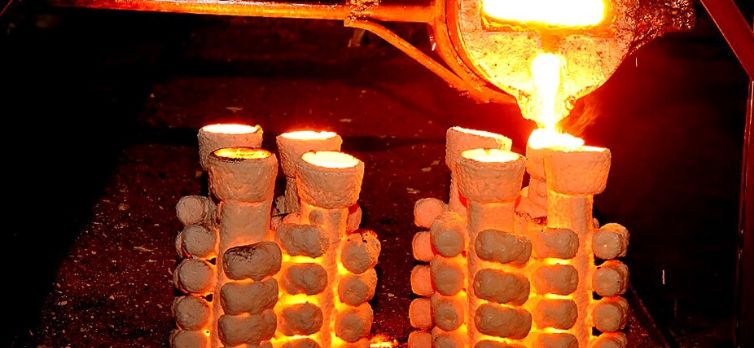
Investment Casting
Investment casting (lost wax process) is an advanced metal-forming method delivering intricate geometries, thin walls, and
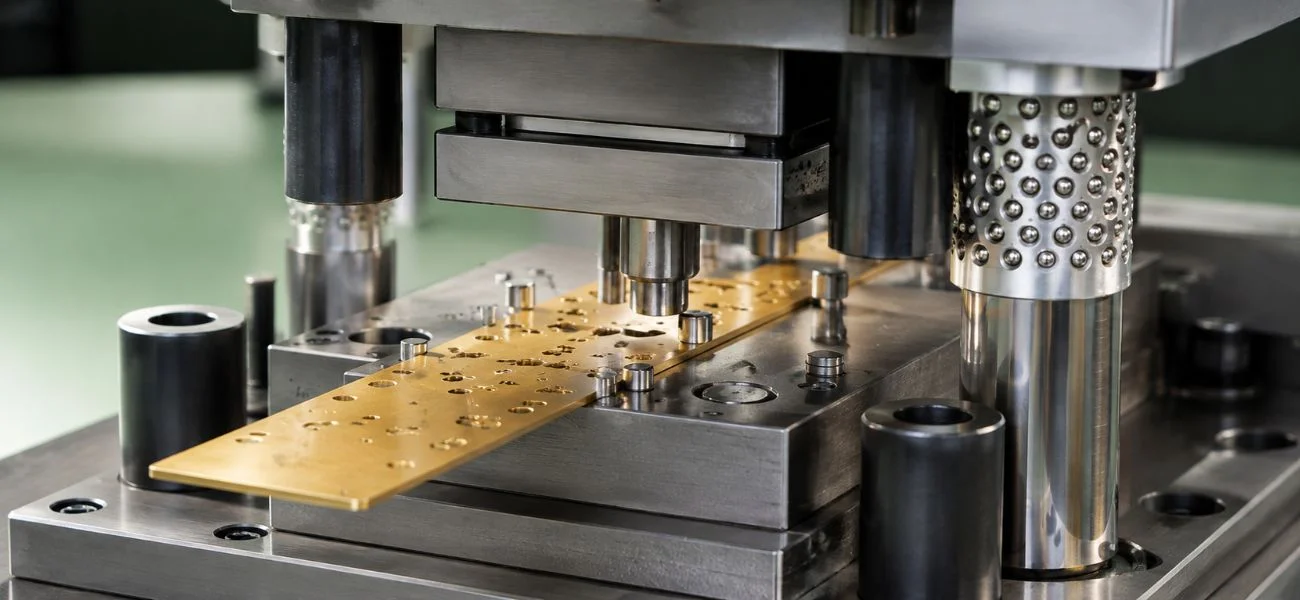
Sheet Metal Stamping
Sheet metal stamping utilizes custom progressive dies and high-speed power presses to transform flat metal sheets into precise
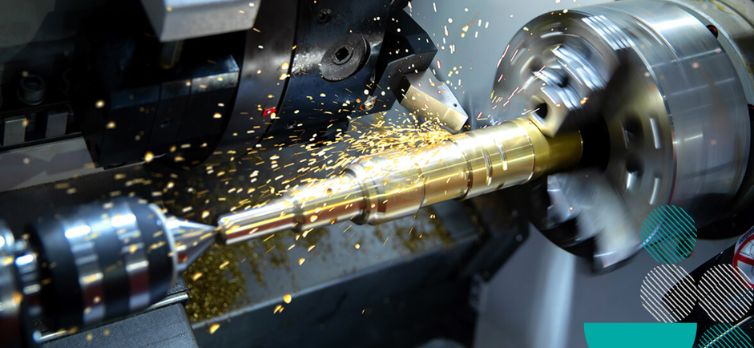
Precision Machining
Precision machining involves computer-controlled cutting processes to subtract material and fabricate highly intricate mechanical
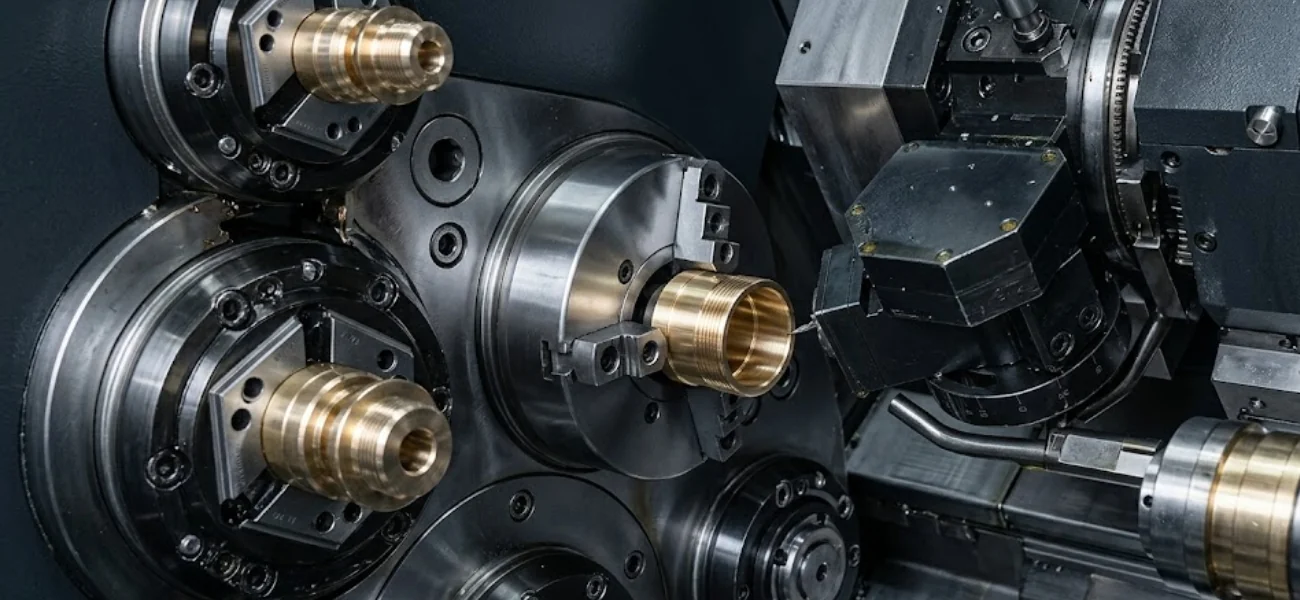
Turning Service
Metal turning is a specialized machining technique used to shape metal bars or billets into precise cylindrical parts by removing
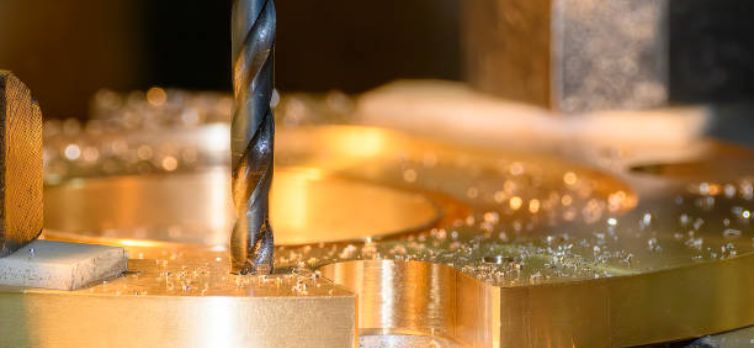
Drilling Service
Drilling is a essential metal cutting operation used to create clean circular holes in solid workpieces using specialized
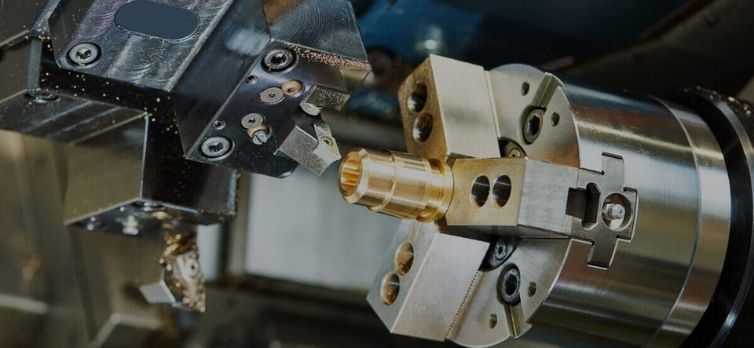
Milling Service
Milling utilizes multi-tooth rotating tools to cut material along multiple coordinate axes, forming flat surfaces, slots, keyways
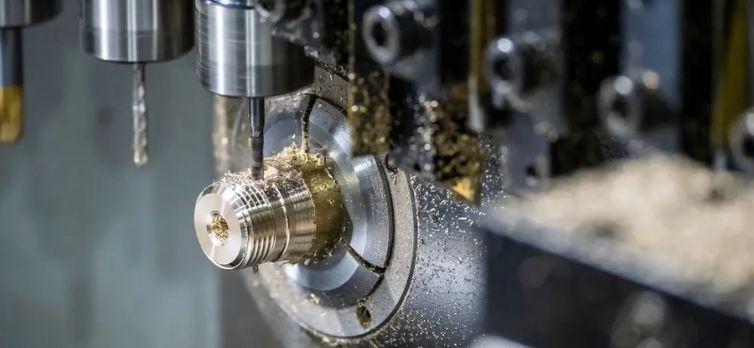
Tapping Service
Tapping is the precision machining process of cutting internal screw threads into drilled holes to facilitate secure mechanical
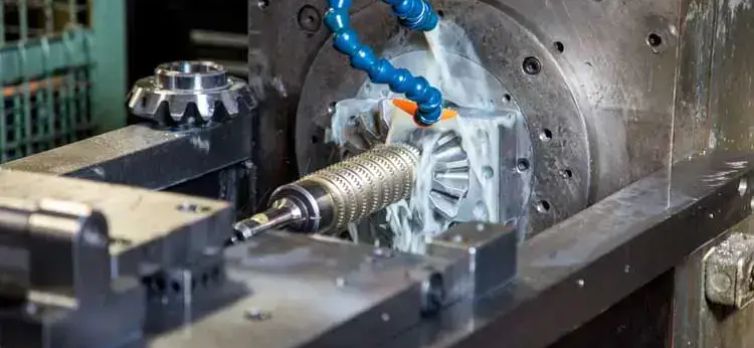
Broaching Service
Broaching uses a multi-toothed linear cutting tool (broach) to shave material and form specific shapes like keyways, splines,
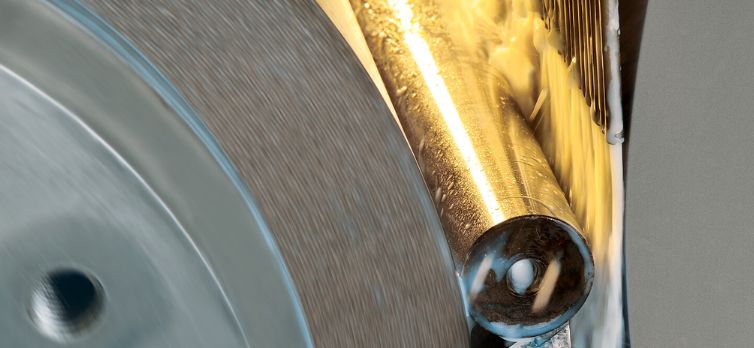
Centerless Grinding
Centerless grinding removes material from outer diameters of cylindrical workpieces without spindle centering, yielding extreme
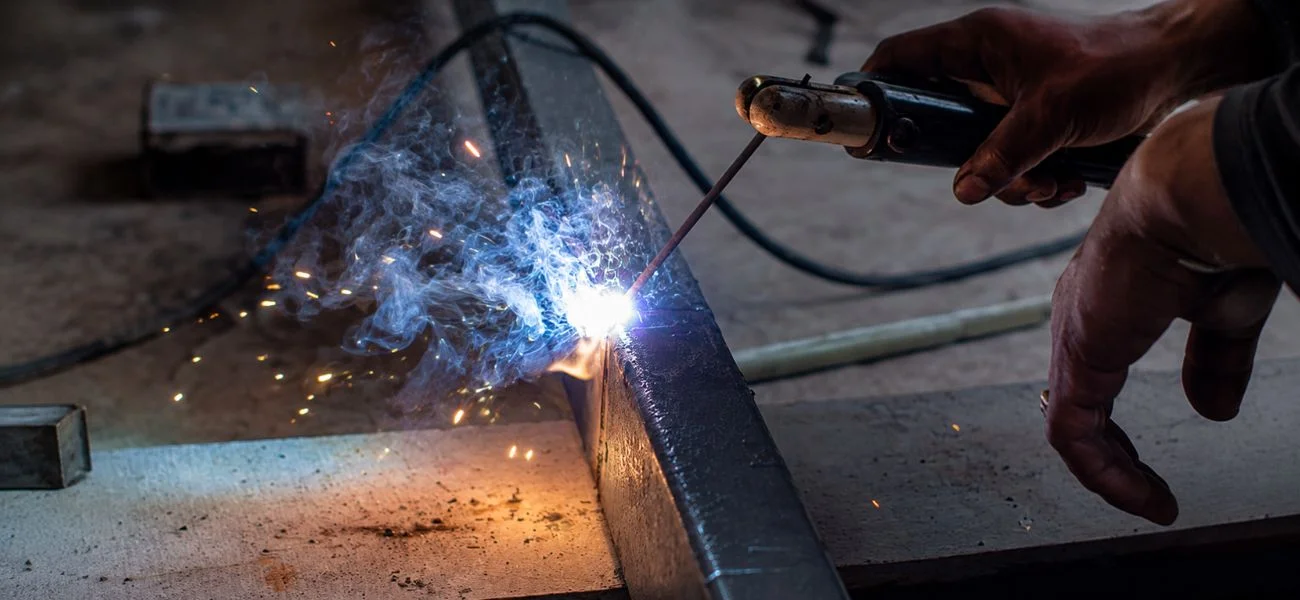
Welding
Welding is a fabrication process that fuses metal parts by melting base materials under intense heat and applying filler alloys.
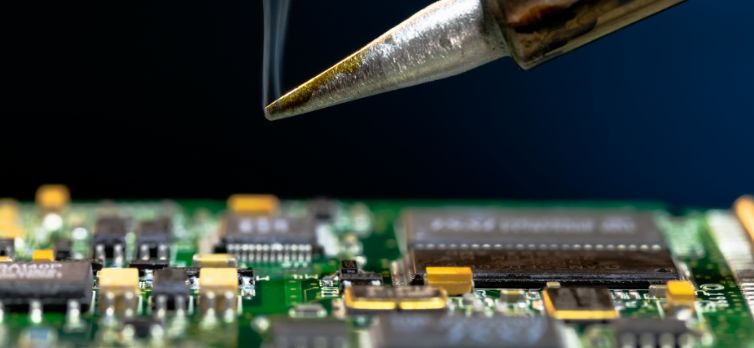
Soldering
Soldering is a low-temperature joining process that bonds metallic conductors using molten filler alloys without melting parent
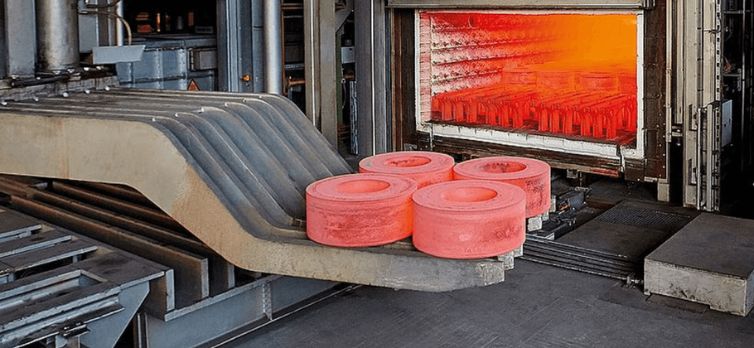
Heat Treatment
Heat treatment modifies the physical and mechanical properties of metal components through controlled thermal cycles. Applying
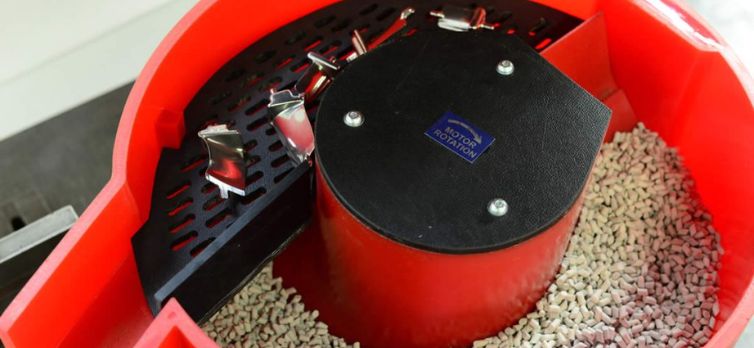
Vibratory Bowl Finishing
Vibratory bowl finishing uses abrasive media and specialized liquid compounds in a vibrating bowl to deburr and polish metal
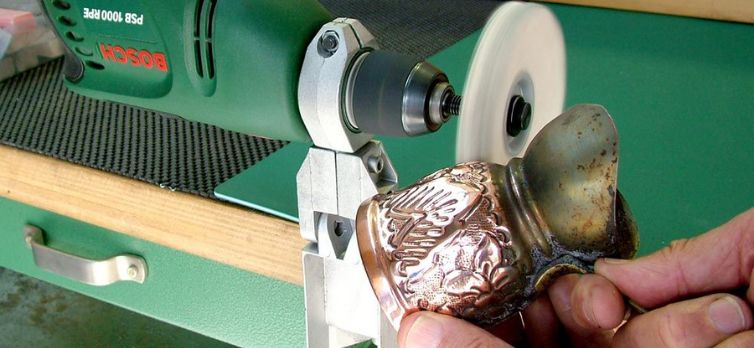
Buffing
Metal buffing uses high-speed soft cloth wheels and fine abrasive compounds to create a high-shine mirror surface finish on
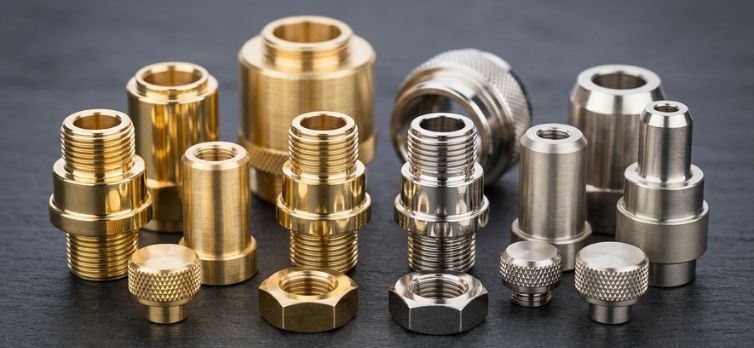
Part Finishing
Part finishing includes vital secondary operations that render metal components clean, defect-free and ready for immediate end
Anodizing
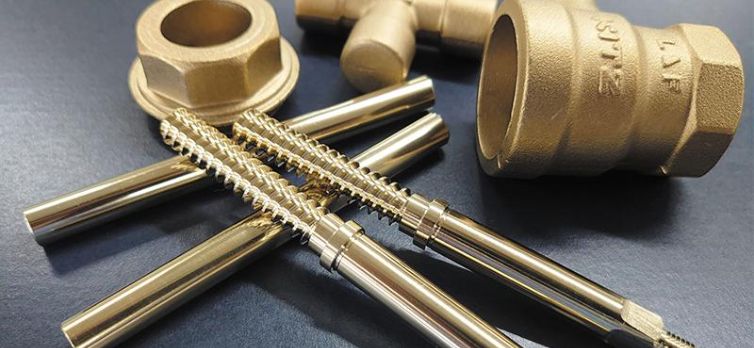
Anodizing is an electrochemical process that transforms aluminum surfaces into a durable, anodic oxide finish with high corrosion
Plating Process
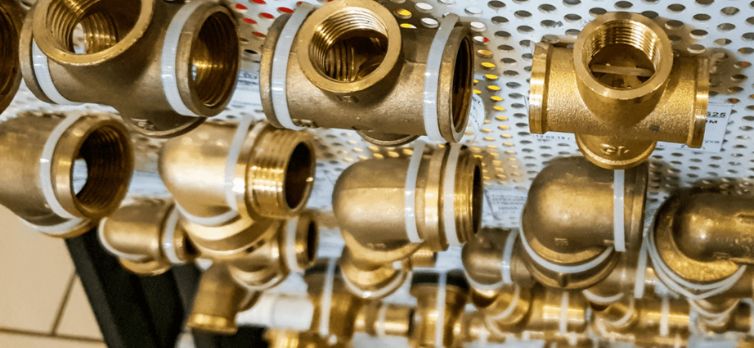
Electroplating deposits a micro-thin metallic layer onto workpieces via electrical current to enhance surface conductivity,
Lacquer Finish
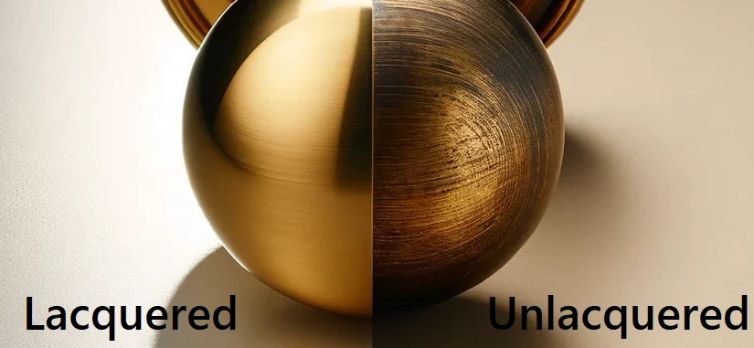
Lacquer finishing coats polished metal with a transparent protective barrier to preserve high shine and prevent atmospheric
Powder Coating
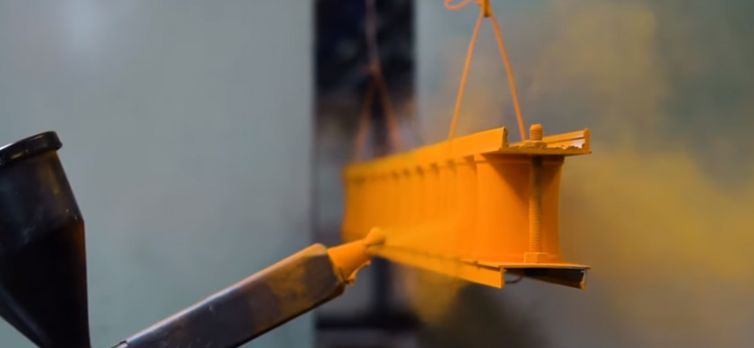
Powder coating applies electrostatically charged dry polymer powder onto grounded metal components, which is cured under heat
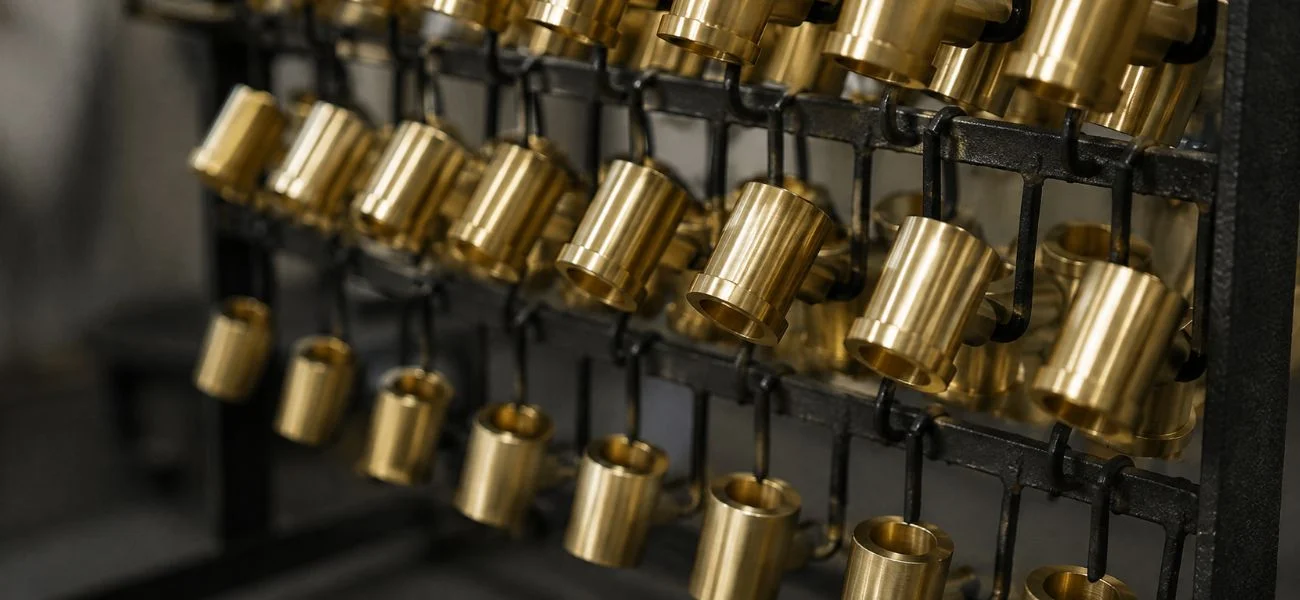
Coating Process
Coating processes apply technical polymer and dry-film barrier layers onto workpieces to deliver customized chemical, friction,
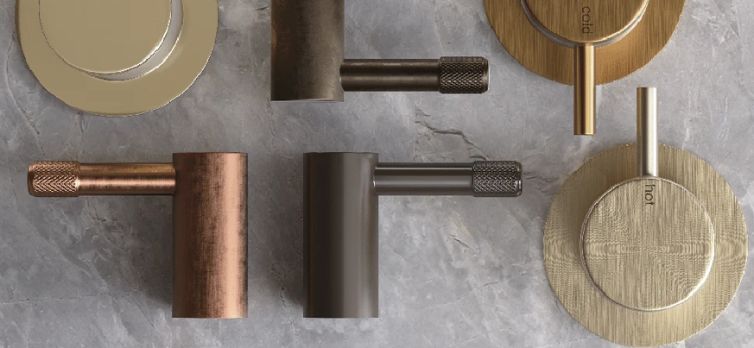
PVD Coating
PVD (Physical Vapor Deposition) deposits atomic-scale ceramic thin films in vacuum chambers, dramatically elevating surface
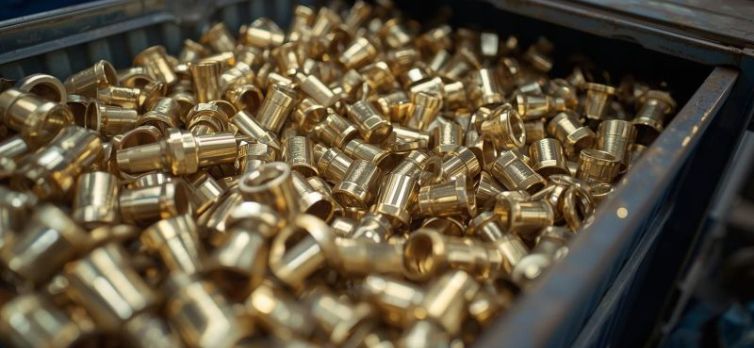
Assembly & Packing
Assembly and packing merges manufactured precision parts, hardware and sub-components into complete ready-to-use assemblies